In California, an insurance company generally has 15 days to acknowledge your claim, 40 days to accept or deny it once it has proof of the claim, and 30 days to pay after it accepts. If it needs more time, it has to explain why in writing and update you every 30 days.
That is the short version. The details are where claims stall, so here is how the deadlines work, what a denial letter has to say, and what you can do when the insurance company is moving slowly or paying less than your repairs cost.
The deadlines at a glance
These are calendar days, not business days, and they apply to most first-party property claims, including fire, smoke, water and wind losses.
- 15 days to acknowledge your claim. After you report the loss, the insurance company has 15 days to acknowledge it, send you the forms and instructions you need, and begin investigating.
- 15 days to answer your questions. If you write or call with a question about the claim, the insurer generally has 15 days to respond.
- 40 days to accept or deny. Once the insurer has proof of your claim, it has 40 days to accept or deny it, in whole or in part.
- 30 days between updates. If it needs more time, it has to tell you why in writing, and then update you every 30 days until it makes a decision.
- 30 days to pay. After it accepts the claim, payment is due within 30 days.
The rules come from California’s Fair Claims Settlement Practices Regulations, specifically 10 CCR 2695.5 and 10 CCR 2695.7. They are minimum standards, and they are the yardstick the California Department of Insurance uses when it looks at how a claim was handled.
When does the 40 day clock start?
Many people assume it starts the day they report the loss. It actually runs from when the insurance company has proof of the claim. The regulations define that broadly, and it can include documentation the insurer gathers in its own investigation, not only what you send in.
That is why dates matter. Send your documents in writing, keep copies, and note when each item went out. If you are not sure whether the clock has started, ask the adjuster in writing and keep the answer.
What a denial letter has to include
If the insurance company denies all or part of your claim, it has to tell you in writing. The letter should:
- Give every reason for the denial, with the facts behind each one.
- Point to the specific policy provision, condition or exclusion it is relying on, and explain how it applies.
- Tell you that you can have the denial reviewed by the California Department of Insurance, with contact information.
A vague letter that only says the damage is not covered, or that blames wear and tear without explaining why, is worth a closer look.
While the claim is open, keep documenting
A claim can sit for weeks while you are living with the damage. Do not wait on the insurance company to build your file. Take photos and video before anything is cleaned or removed, keep damaged items when you can, save every receipt and keep a log of every call and email with the adjuster.
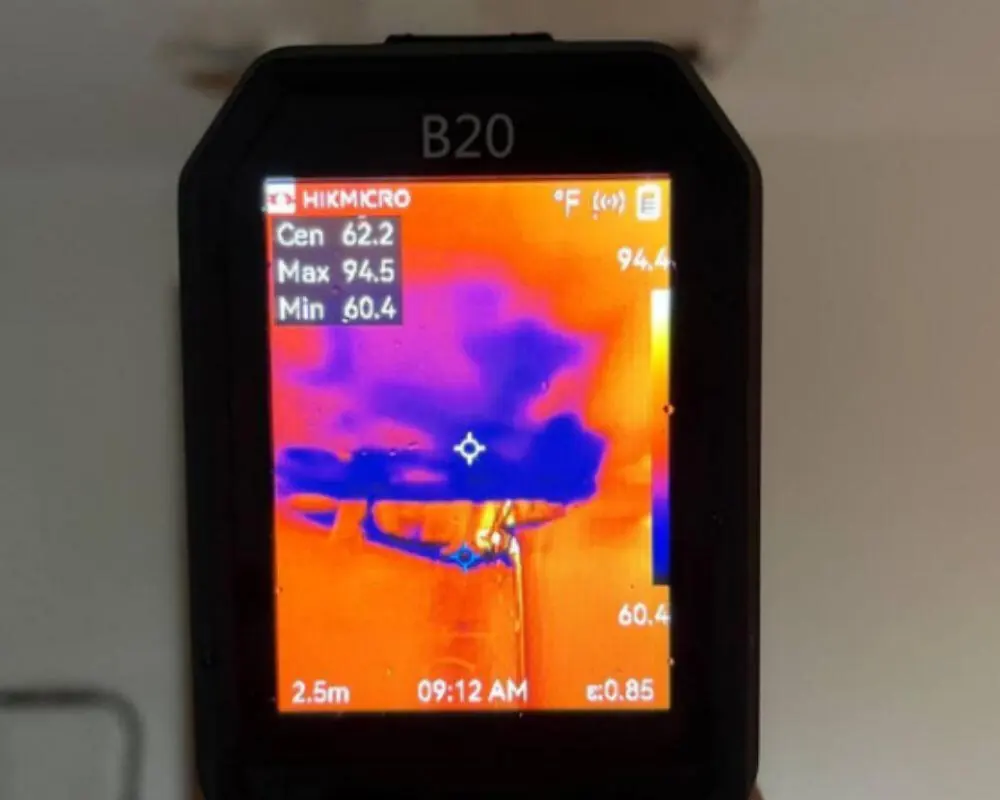
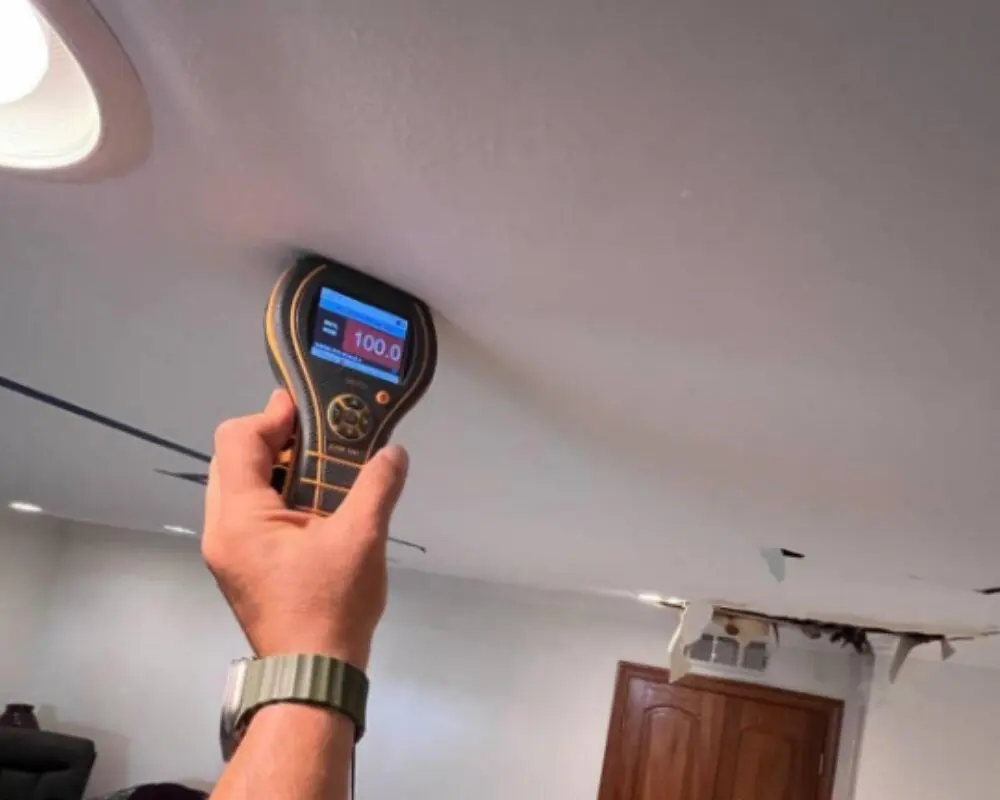
Good documentation also protects you if the claim turns into a dispute. Thermal imaging and moisture readings, for example, show where water traveled and how far the damage reaches, which is how hidden damage ends up in the estimate.
Paying on time is not the same as paying in full
Meeting a deadline only means the insurance company made a decision and paid something. It does not mean the decision was right. An insurer can pay the amount it agrees with, on time, and still be far below what the repairs cost.
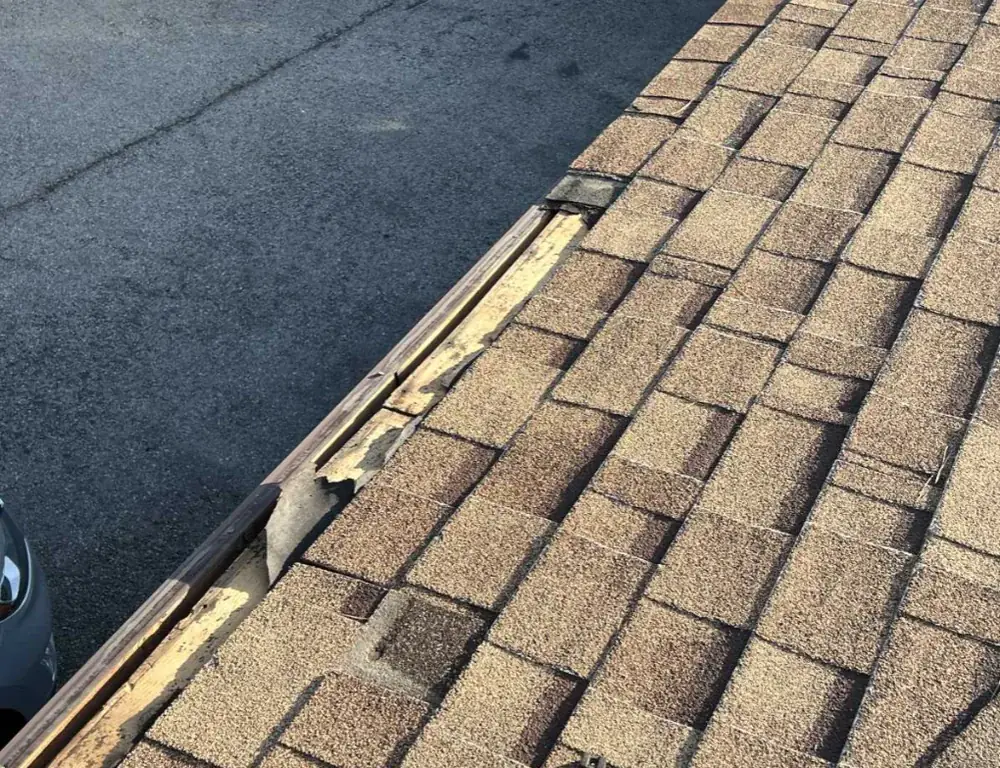
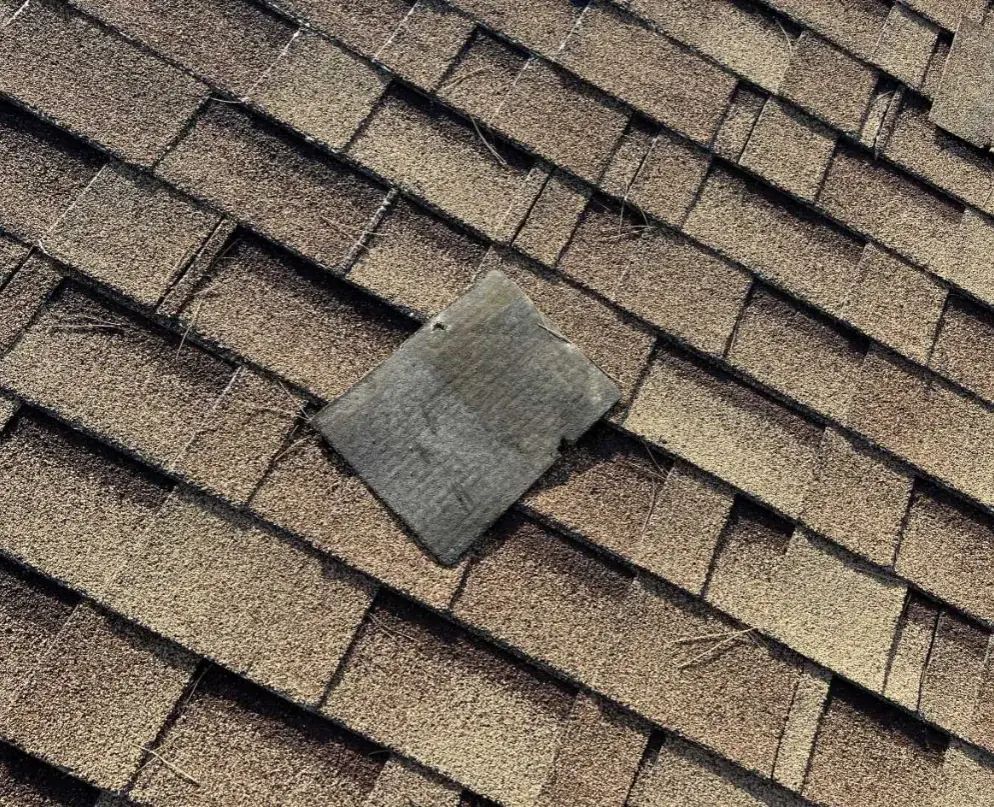
We see this a lot. In our Shadow Hills roof claim, the carrier agreed that wind damaged the roof but would only pay to repair certain elevations. The claim took about a year, and we ended up invoking appraisal to get the entire roof replaced. In a Pasadena smoke claim, a gap of about $40,000 opened between the carrier’s estimate and the contractor’s cleaning scope, and the dispute went to appraisal as well. And in a ceiling pipe burst claim, the insurer’s comparison estimate had repair items quietly removed.
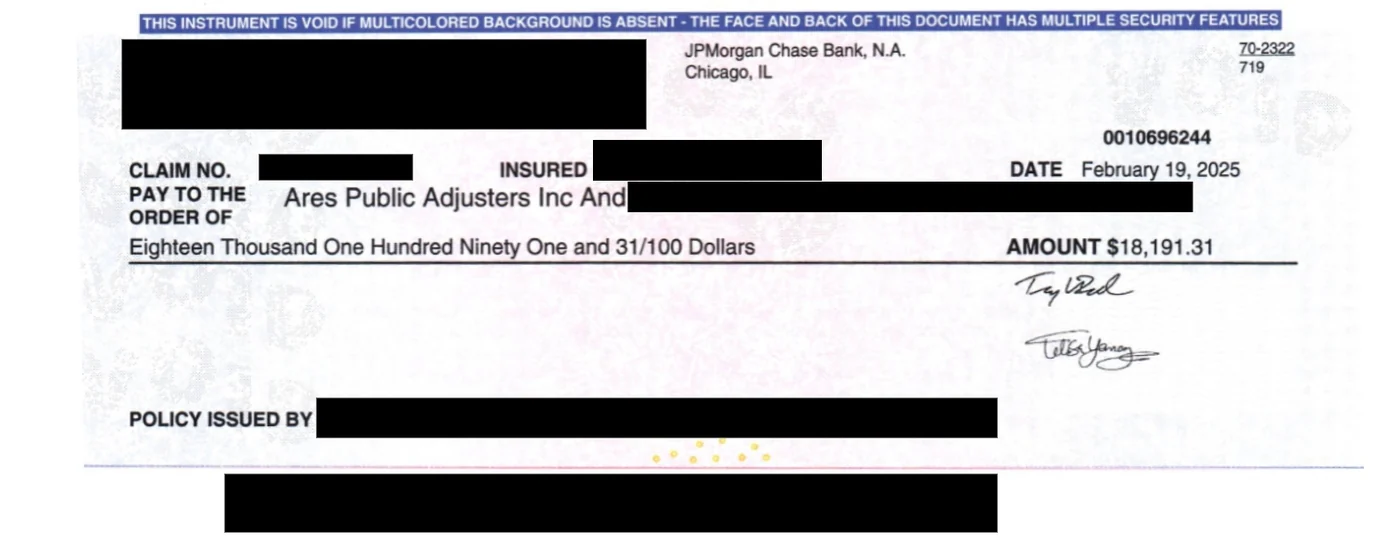
Appraisal is the process written into most property policies for resolving a disagreement over the amount of a loss. It generally decides how much the loss is worth, not whether it is covered.
What to do if the insurance company misses a deadline
- Write everything down. Record the date of every call, who you spoke to and what was said. Keep every email and letter.
- Put your request in writing. Send an email or letter asking for the status of the claim or a decision, and say when you submitted your documents.
- Ask for the reason in writing. If more time is needed, the insurer is supposed to explain why in writing.
- Contact the California Department of Insurance. You can file a complaint at insurance.ca.gov or call the consumer hotline at 800-927-4357.
- Get help with the claim. A public adjuster can take over the paperwork and the back and forth with the adjuster. Public adjusters cannot give legal advice, so if you think the insurer acted in bad faith, talk to an attorney.
Wildfire and disaster claims
After a declared state of emergency, California adds protections for wildfire survivors on top of these timelines, including extra time to collect additional living expenses and replacement cost on a total loss. Smoke and ash damage to a home that never burned is a claim too. We cover that in Does Insurance Cover Wildfire Smoke Damage in Los Angeles if Your Home Did Not Burn?
Frequently asked questions
How long does an insurance company have to respond to a claim in California?
Generally 15 calendar days to acknowledge the claim, send the forms you need and begin investigating, and 15 days to answer your questions about it.
How long does an insurance company have to pay a claim after approval?
Payment is due within 30 calendar days after the insurer accepts the claim.
Can my insurance company take longer than 40 days?
Yes, but it has to tell you why in writing and update you every 30 days until it decides. There are limited exceptions, such as when the insurer has a reasonable basis to suspect fraud.
What if my insurance company denies my claim?
The denial has to be in writing and explain the reasons and the policy language behind it. You can ask the California Department of Insurance to review it, and a public adjuster can review the denial and your policy with you.
Does a fast payment mean my claim was settled fairly?
Not necessarily. Meeting a deadline does not mean the estimate covers the full cost of repairs, contents and living expenses. Compare the payment to your contractor’s scope before you accept it.
When should I call a public adjuster?
Consider it when the claim is delayed, the estimate is far below your contractor’s, part of the claim was denied, or you are not sure what the insurer left out. A free review can show you where you stand.